

Cloud computing is a computing model in which computing resources such as servers, storage, databases, networking, and software are delivered on demand over a network, typically the internet, rather than being owned and managed locally by the user or organization.
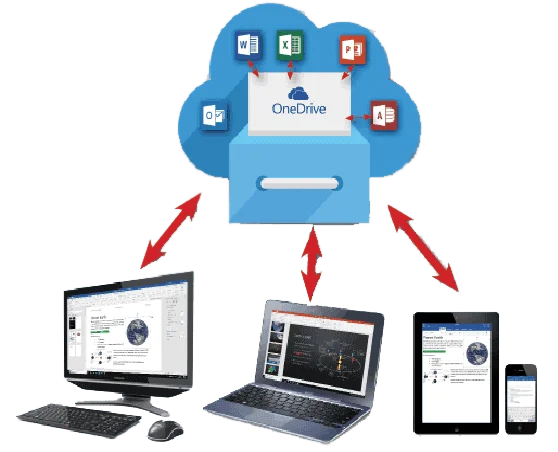
Cloud computing is commonly categorized into service models, which define the level of control and responsibility shared between the cloud service provider and the user.
Infrastructure as a Service (IaaS) provides virtualized computing resources such as virtual machines, storage, and networking over the internet. The cloud provider manages the physical hardware and virtualization layer, while the user is responsible for the operating system, middleware, applications, and data. IaaS is commonly used for custom server deployments, testing environments, and scalable infrastructure. For example, Amazon EC2 allows users to create and manage virtual servers in the cloud.
Platform as a Service (PaaS) provides development and runtime environments that allow developers to build, deploy, and manage applications without managing underlying infrastructure. The provider handles servers, operating systems, runtime environments, and scaling, while the user focuses on application code and data. PaaS is commonly used for rapid application development and deployment. For example, Google App Engine enables developers to deploy applications without managing servers.
Software as a Service (SaaS) delivers complete applications over the web, typically accessed through a browser. The provider manages the entire software stack, including infrastructure, platform, application, updates, and security, while the user simply uses the application. SaaS is commonly used for email, office productivity, collaboration, and customer management systems. For example, Microsoft 365 provides web-based email, document creation, and collaboration tools.